Graffiti Towers Cleanup Begins
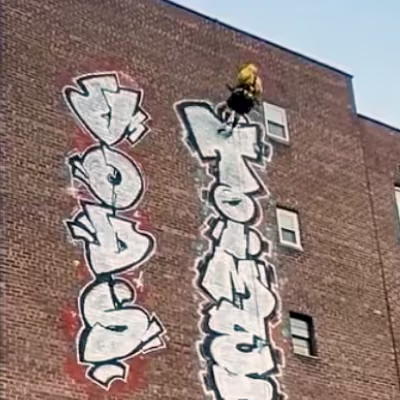
Crews have started cleaning the notorious graffiti towers. The new owners ... Read More
This store requires javascript to be enabled for some features to work correctly.


All You Need To Succeed In
Graffiti Removal & Surface Protection


Removing graffiti from metal starts with identifying the surface. The correct graffiti remover and removal technique will depend on whether the metal is painted or coated, bare or uncoated, galvanized, stainless steel, a decorative metal such as bronze or copper, or weathering steel such as Corten.
For powder-coated metal and factory-painted metal surfaces, start with Sensitive Surface Graffiti Remover or Graffiti Safewipes, following the product directions.


Some inks, dyes, and spray paints can leave staining behind after the main graffiti has been removed. This is particularly common with reds and colors containing red pigments, including some browns, oranges, and pinks.
For remaining stains, apply Feltpen Fadeout. A small amount of Sensitive Surface Graffiti Remover can also be applied over the top and gently agitated to help speed up the process.
This technique can be especially useful on metal coated with direct-to-metal oil-based paint. Alternatively, allow Feltpen Fadeout more time to work. Once the stain begins to fade, continue the process until the remaining discoloration has been removed.
For larger graffiti on factory-finished surfaces such as metal siding, security blinds, and garage doors, start with Sensitive Surface Graffiti Remover.
If removal is progressing slowly, a stronger graffiti remover may be required depending on the coating, paint type, and condition of the graffiti. Always test the stronger product on a small area before treating the entire surface.
Pro tip: Remove graffiti as soon as practical. Fresh graffiti is generally easier to remove than paint or ink that has been allowed to fully cure and weather on the surface.
For some larger jobs, another technique is to wet the surface first and apply Heritage Graffiti Remover in manageable sections. Agitate the graffiti with a brush during application and rinse thoroughly.
In some cases, graffiti on painted metal siding may need to be color-matched and painted over. An HVLP (High Volume Low Pressure) spray gun can be useful for this work because it allows for controlled application, quick color changes, and easier cleanup in the field.

Graffiti removal from uncoated metal requires extra attention because different metals and finishes can react differently to cleaning products.
Chrome and anodized metal surfaces can be sensitive to pH and may darken or stain when exposed to incompatible cleaners. For these surfaces, start with Sensitive Surface Graffiti Remover.
For thicker, older paint or hardened spray paint, Transgel Paint & Graffiti Remover may be used where appropriate. Allow the product time to soften and lift the paint before removal according to the product directions.
For graffiti on galvanized steel surfaces such as light poles and architectural metalwork, start with Sensitive Surface Graffiti Remover. For smaller tags, Graffiti Safewipes may also be a convenient option.

For larger graffiti or hardened spray paint, Bare Brick, Stone & Masonry Graffiti Remover may be used where appropriate.
Important: Some galvanized surfaces may darken slightly during graffiti removal. Always test a small area first and evaluate the result before applying product across a larger section.
For graffiti on stainless steel, use Bare Brick, Stone & Masonry Graffiti Remover. Apply the remover, agitate the graffiti, and rinse according to the product directions.
For thicker paint or heavily sun-baked spray paint, Transgel Paint & Graffiti Remover may be a better option.
Bronze, brass, and copper are decorative metals that can develop natural or intentionally created patinas. Because graffiti removal may affect this finish, always test your chosen remover on a small, inconspicuous area before treating the entire surface.
Use the least aggressive graffiti removal method that successfully dissolves the graffiti while preserving as much of the existing finish as possible.


Corten steel, also known as weathering steel, is recognized by the protective rust-colored patina that develops across its surface. Graffiti removal should therefore focus on removing the paint while minimizing unnecessary disturbance to this natural finish.
Start by dissolving as much of the graffiti as possible with Bare Brick, Stone & Masonry Graffiti Remover, followed by appropriate pressure washing.


With larger or older graffiti, removal may temporarily affect the rust patina. Test a small area before treating the entire surface. If some of the rust finish is removed during cleaning, the weathered appearance can return over time as the steel is exposed to moisture and the surrounding environment.
Once the Corten steel has returned to its desired appearance, consider applying World's Best Graffiti Coating to help protect the surface against future graffiti.
Products mentioned in this article, including related graffiti removal products, tools, and surface protection solutions.

$22.15
View More
$6.90
View More
$22.50
View More
$28.50
View More
$21.30
View More
$27.75
View More
$27.75
View More
$26.50
View More