Graffiti Towers Cleanup Begins
Crews have started cleaning the notorious graffiti towers. The new owners ... Read More
This store requires javascript to be enabled for some features to work correctly.


All You Need To Succeed In
Graffiti Removal & Surface Protection


Crews have started cleaning the notorious graffiti towers. The new owners ... Read More


The Pasadena Chalk Festival contacted us looking for a solution to ... Read More


Imagine waking up to all this graffiti... Read More


In the City of Santa Clarita, graffiti is surprisingly hard to find. Not ... Read More


Guided by longtime Angeles National Forest volunteer and friend Pat ... Read More


Spearheaded by Known Gallery this high desert community has been graced ... Read More


Solar panels are designed to capture as much sunlight as possible and ... Read More


Los Angeles Pressure Washing Inc expertly removed years-old graffiti from these Metrolink... Read More


A "miracle" product is helping Niagara Falls get a grip on its graffiti problem, said Mayor Jim Diodati... Read More


In this tutorial, Jesse Perry walks us through his process for turning a utility box into a ... Read More


The City of Santa Clarita continues to set a n example of community-driven ... Read More


Public lands are some of our most valuable shared spaces ... Read More


Would a baker bake a wedding cake without the glazing? It ... Read More


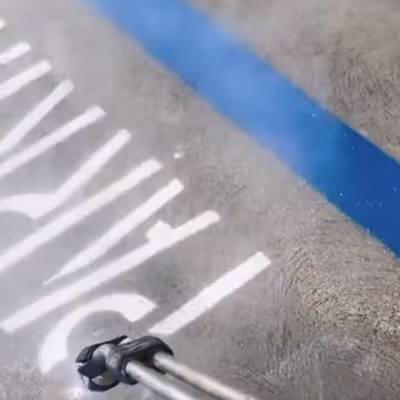
A painted 'No Parking' Sign is removed using Vanish... Read more

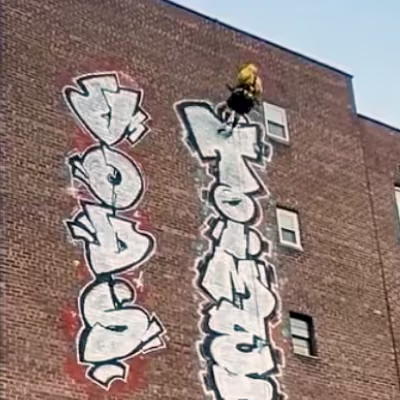
High-rise graffiti is literally on the rise across major cities... Read more


True to his name, Mr. Clean Pressure Washing quickly ... Read more


Just when it looked like they had made HUGE progress, the ... Read More


Twenty-five years after its creation, Artist Eliseo Art Silva has gone back to restore ... Read More

SHARE
Most recycled plastic furniture, benches, decking, and similar outdoor products are made from high-density polyethylene (HDPE). These surfaces come in a variety of colors and textures, but graffiti removal is generally straightforward when the right product and technique are used.
For most graffiti on recycled plastic and HDPE, start with Sensitive Surface Graffiti Remover. For smaller tags and quick spot removal, Graffiti Safewipes are another convenient option.
Because recycled plastics can vary in composition, color, and texture, always test a small, inconspicuous area before treating the entire surface.
The key to removing graffiti from recycled plastic is to thoroughly coat the graffiti, give the remover time to work, and gently agitate the surface to help dissolve the paint or ink.
Thoroughly apply Sensitive Surface Graffiti Remover over the graffiti. Make sure the marked area is fully coated so the remover can begin penetrating and dissolving the graffiti.
Using a soft scouring pad, gently work the remover into the graffiti between applications. Allow sufficient dwell time according to the product directions, reapplying and agitating as needed until the paint or ink has dissolved.
Once the graffiti has dissolved, wipe it away with a damp toweling cloth. For larger outdoor surfaces where rinsing is appropriate, thoroughly rinse away the loosened graffiti and remaining product.
If some graffiti remains, repeat the process and allow additional dwell time before moving to a stronger remover.
Older, heavier, or baked-on graffiti may require a stronger remover. In these cases, Bare Brick, Stone & Masonry Graffiti Remover can be used where appropriate.
Apply the remover according to the product directions and gently agitate between applications. After sufficient dwell time, rinse the dissolved graffiti away with a pressure washer when appropriate for the surface and surrounding area.
Always test a stronger remover on a small, inconspicuous area first before treating the entire recycled plastic surface.
Products mentioned in this article, including related graffiti removal products, tools, and surface protection solutions.
Click on any of the icons below for more how-to's and advice


